

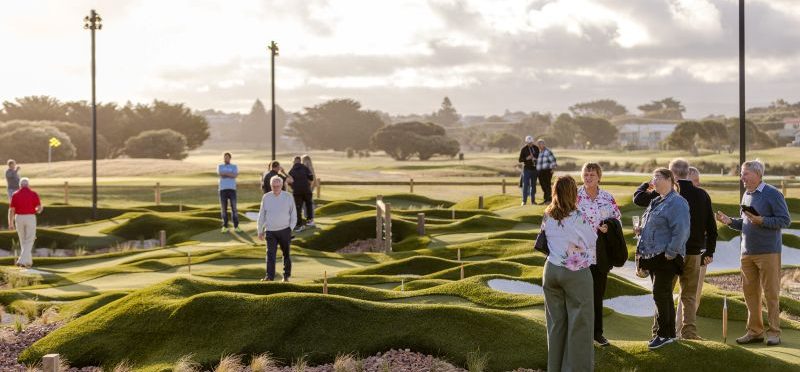
In the face of an unsustainable capital replacement plan and a stagnant operating model, South Lakes Golf Club underwent a radical commercial transformation. By shifting focus from aggressive cost-cutting to aggressive revenue generation, the club internalised its core operations, modernised its identity, and entered a strategic partnership with SHANX Mini Golf.
The result was a dramatic financial turnaround: a $164,000 increase in operational profit within a 6-month timeframe and the creation of a diversified, community-focused business model that secures the club’s long-term future.
Five years ago, South Lakes Golf Club reached a critical juncture. The board and management, led by General Manager Chris Bailey, who had recently started in the role, had to confront a “harsh truth”: their existing capital asset replacement plan suggested the club was on a path toward closure.
Like 90% of golf clubs in Australia, South Lakes had already exhausted the benefits of cost-cutting.
The club was operating as a “country, individual, self-employed type operation” rather than a commercial business. It was living hand-to-mouth, with few revenue levers beyond member subscriptions and bar takings. Critical assets were not being replaced, and there was a significant mismatch between the club’s infrastructure needs and its available income. The board recognized that continuing this path was unsustainable and that a fundamental shift in mindset, from survival to entrepreneurship, was required.
Credit: Brand Media
The transformation began with a commitment to internalise operations and diversify revenue streams. Chris, drawing on a commercial background from Hamilton Island Golf Club in Queensland, advocated for the club to take back control of the pro shop and catering services, which had previously been outsourced. Timing was perfect as the current Pro Shop team had served the club well for close to 30years and were looking to finally retire.
By bringing catering and retail in-house, the club could leverage food sales as a driver for foot traffic, which in turn boosted high-margin areas like gaming and alcohol. The results were immediate and substantial:
To support this new model, the club had to move away from a schedule that catered solely to members. They adjusted operating hours to meet market expectations, offering lunch seven days a week and dinner four nights a week. The “perception of welcome” became the guiding philosophy, ensuring that every visitor, whether a golfer or a local family, felt appreciated from the moment they arrived.
A prime example of this success was the transformation of Thursday night events. What was once a modest gathering of 50 members for raffles became a community staple, consistently drawing 200 people with high-value offers like $20 schnitzels.
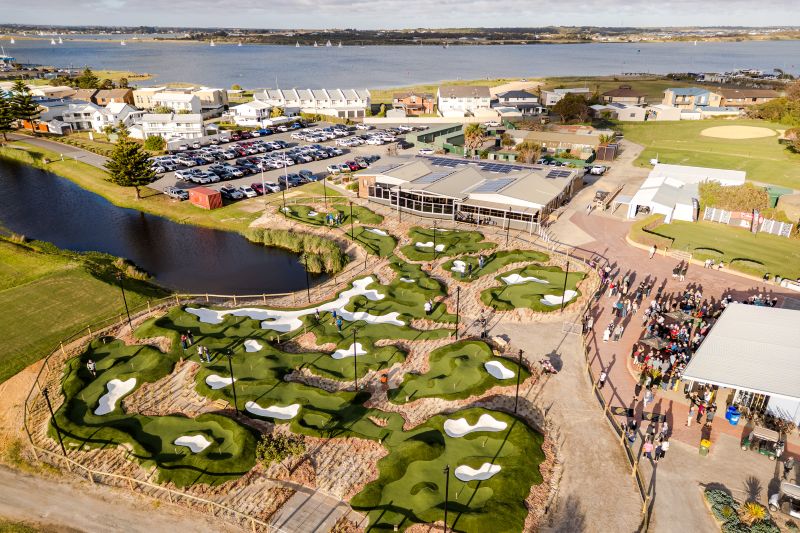
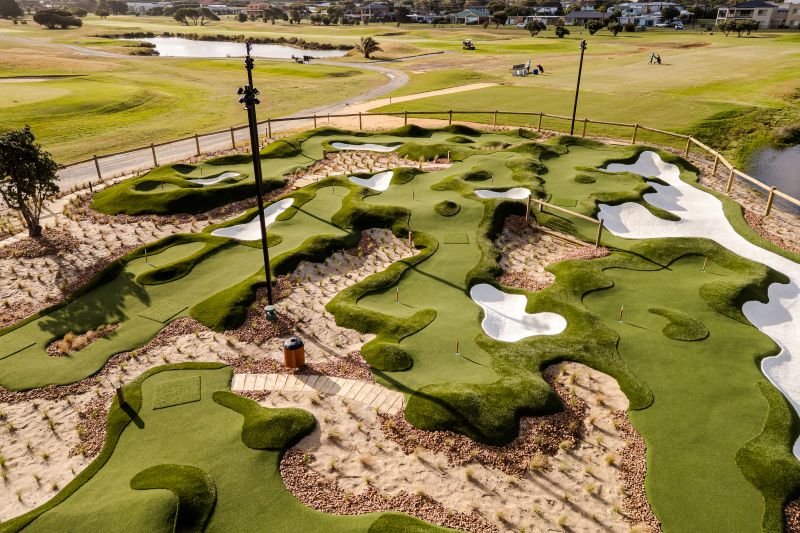
While internalising operations provided a foundation, the board sought a “destination” attraction to secure the club’s future. The decision to partner with SHANX Mini Golf was a strategic move to capitalize on the region’s tourism potential, with over a million day-trippers visiting the South Coast annually.
They have a clear strategic partnership approach with their team working directly with partners to create bespoke, sustainable business outcomes. They provide a genuine turnkey solution. They also own and operate their mini golf courses, which means they have skin in the game and understand the (big) mini golf business better than anyone. SHANX the best in the business, and the only mini golf courses globally backed by the R&A.
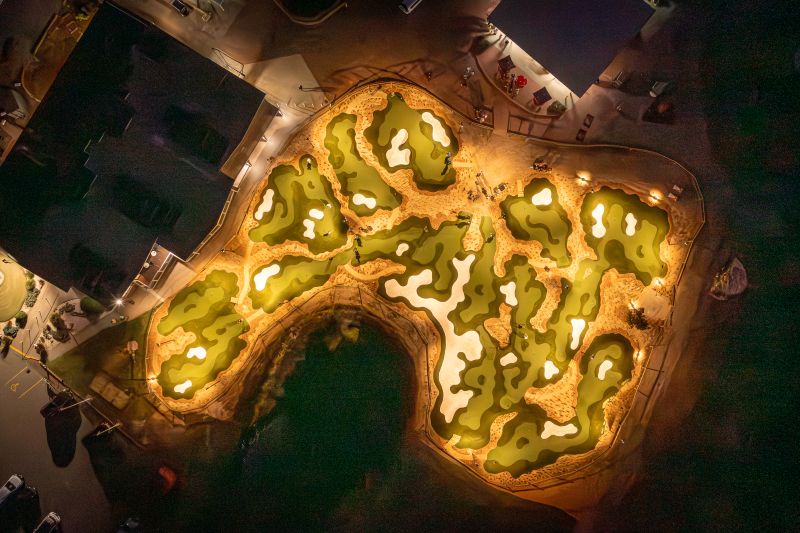
The project was not just about building a course; it was about operational efficiency. Working with the SHANX team, the Club worked through a series of locations as part of the business feasibility case. The mini-golf facility was placed directly in front of the clubhouse, the most efficient and best location for the mini golf course to ensure the course was part of the Club, not something “out the back for non-members”.
This allowed:
The mini-golf facility opened on November 4, 2025, and outperformed all projections:

Transforming a traditional club is rarely without friction. Gaining approval for these changes took three years of careful planning and stakeholder management.
Chris and the management team didn’t rely on intuition alone. They provided the board with extensive data, forecasting, and detailed P&Ls to satisfy analytical stakeholders. They used visual aids, and A-frames to help members “see” the vision.
The core message to members was clear: these initiatives were designed to generate alternate revenue that would prevent membership fees from increasing while funding the replacement of club assets. By forming a master plan committee, the club took members on the journey, ensuring they felt a sense of ownership over the project.
The influx of younger families and a noisier, more vibrant atmosphere was a challenge for some long-term members. Management addressed this through proactive education, emphasising that the financial contributions of the “new” customers were directly funding the future of the Club.
South Lakes Golf Club has evolved from a private golf facility into a community hub simply known as “The Club”. The transformation has successfully decreased the average age of the membership and created a sustainable model for asset management.
The success at South Lakes demonstrates that golf clubs must operate as businesses first. By identifying a clear commercial vision, securing board trust through data, and choosing partners like SHANX Mini Golf that offer operational synergy, clubs can move beyond the cycle of cost-cutting and build a thriving, multi-generational destination.